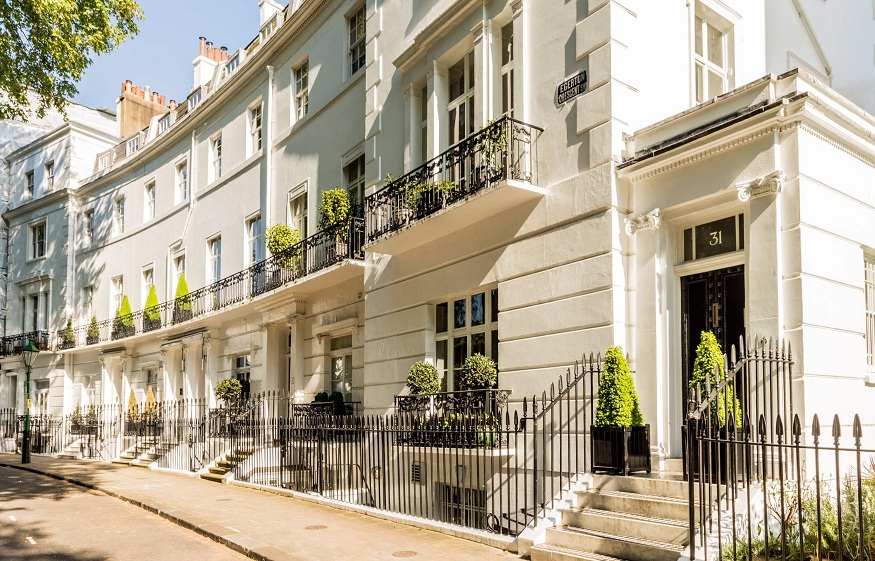
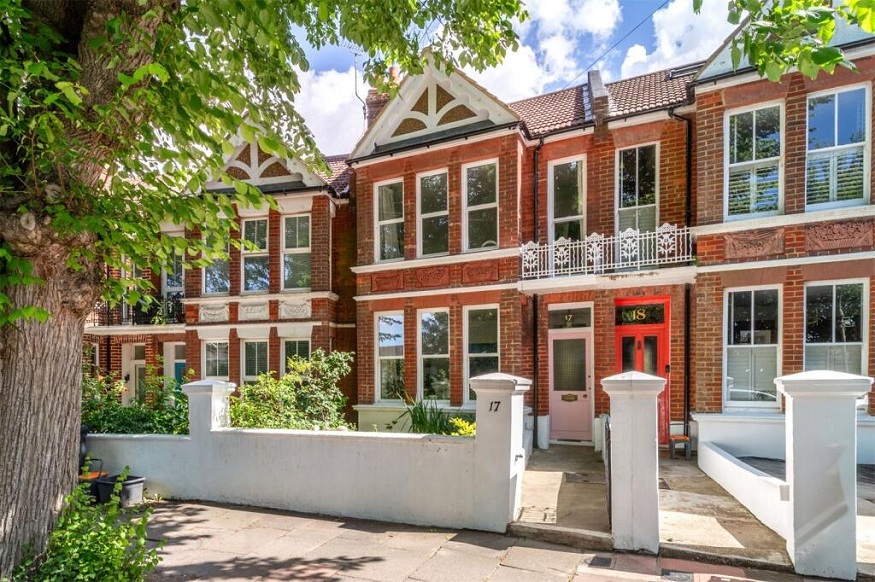
Brighton has always been a city that refuses to stand still. From its origins as a quiet fishing village to its current status as a tech-heavy, culturally vibrant coastal hub, the property market here reflects that constant evolution. As we look toward the first quarter of 2026, the local landscape is shifting once again. The post-pandemic race for space has matured into a more calculated search for value, community, and long-term sustainability. For anyone looking to buy, sell, or invest, understanding these micro-movements is essential to making a sound financial decision.
The secret to navigating this market lies in looking beyond the obvious hotspots. While the historic Lanes and the grand regency terraces of Hove will always hold their value, the real growth is happening in the pockets that are currently being redefined by regeneration and changing demographics. Navigating these nuances is often easier with professional guidance, and many savvy investors are already consulting with estate agents in Brighton to identify which postcodes are poised for a significant uplift in the coming eighteen months. By spotting these trends early, you can secure a foothold in a neighbourhood before it becomes the next it spot.
The Shift Toward the Western Fringe: Portslade and West Hove
For years, Portslade was often seen as the more industrial, practical sibling to Hove’s polished elegance. However, by the start of 2026, we expect Portslade to be one of the strongest performers in terms of capital appreciation. The reason is simple: affordability combined with exceptional transport links. With the mainline station providing a direct route to London and the coast road offering easy access to the city centre, it’s a natural choice for young professionals and families who have been priced out of central Brighton.
The regeneration around Boundary Road and Station Road is a major factor here. We are seeing a surge in independent cafes, craft beer taprooms, and co-working spaces that cater to the work from home crowd. As these amenities improve, the surrounding Victorian and Edwardian terraced houses become increasingly attractive. We predict that the Hove border will continue to blur, with the streets between Wish Park and Portslade station seeing some of the most consistent growth in Q1 2026.
Why West is Best for Families
Families are increasingly looking for more house for their money without sacrificing the Brighton lifestyle. Portslade offers larger gardens and closer proximity to the South Downs than many central locations. The local schools are also seeing increased investment, which is a primary driver for property prices. If you are looking for a long-term family home, this western corridor offers a balance of suburban quiet and urban accessibility that is hard to beat.
Read More: Essential Compliance Checklist for Letting Property in the Royal Borough of Kensington and Chelsea
The Northern Expansion: Moulsecoomb and Bevendean
Historically, Moulsecoomb and Bevendean were primarily associated with student housing and social housing. However, the landscape is changing rapidly. The University of Brighton’s Big Build project and the continued expansion of the Preston Barracks site have acted as a massive catalyst for the area. By 2026, the ripple effect of this massive investment will be fully felt in the residential market.
Investors are moving away from traditional HMOs (Houses in Multiple Occupation) in the city centre and looking toward these northern pockets where yields remain higher. But it’s not just about students. We are seeing a new wave of first-time buyers looking at these areas because they offer the last remaining entry-level houses in the city. The green spaces surrounding these neighbourhoods, such as Wild Park and the South Downs National Park, are also becoming a significant draw for a generation that values outdoor access as much as a quick commute.
Infrastructure and Connectivity
The improvement in cycling infrastructure and the frequent bus services along the Lewes Road corridor have made these northern suburbs feel much closer to the city centre than they did a decade ago. As the city continues to push for a low-car future, neighbourhoods with strong alternative transport links will naturally see a rise in demand.
The Fringe Effect: Beyond Preston Park and Fiveways
Preston Park and Fiveways have long been the darlings of the Brighton property market, known for their community feel and excellent schools. However, because prices here have reached such a high ceiling, the growth is now spilling over into the adjacent fringe streets. Areas like Hollingdean and the northern end of Round Hill are starting to see the same level of interest that Fiveways did ten years ago.
By Q1 2026, we expect these fringe areas to outperform the core Golden Triangle in terms of percentage growth. Buyers are looking for the same Victorian character but at a 10-15% discount. As more people move into these streets, the local amenities follow—think boutique bakeries and organic grocers—which in turn pushes property values up further. It’s a classic cycle of gentrification that shows no signs of slowing down in Brighton’s northern suburbs.
Kemptown’s Continued Renaissance
Kemptown has always had a distinct personality, but the recent completion of major projects like the Sea Lanes open-air pool and the ongoing Black Rock rejuvenation are transforming the eastern seafront. These developments are turning Kemptown from a bohemian enclave into a world-class coastal destination.
The demand for apartments in Kemptown is expected to spike in early 2026, driven by both local downsizers and second-home buyers from London. The Soho House effect—referring to the nearby Brighton Beach House—has already elevated the area’s profile, and we are now seeing the secondary effect on property prices in the surrounding streets. Whether it’s a grand Grade II listed apartment on Sussex Square or a smaller flat in the heart of the village, the eastern side of the city is looking incredibly robust.
Read More: Why Gurugram’s Business Zones are Hotspots for Real Estate
Factors Driving the 2026 Market
Several macro-economic factors will shape the Brighton market as we head into 2026. Interest rates are expected to have stabilised by this point, providing more certainty for both buyers and lenders. This stability allows people to plan for the long term, which typically leads to an increase in transaction volumes.
Furthermore, the London Exodus hasn’t stopped; it has simply changed shape. People aren’t just fleeing the capital for a quiet life; they are looking for a hybrid life. Brighton, with its high-speed rail links and thriving digital economy, is the perfect middle ground. The city is no longer just a dormitory for London; it is a destination in its own right, with a job market that is increasingly independent of the capital.
The Sustainability Factor
By 2026, energy efficiency will be a top priority for buyers. Properties with high EPC ratings or those that have been retrofitted with sustainable technology will command a premium. We are seeing more homeowners in Brighton investing in solar panels, heat pumps, and high-quality insulation. This trend is particularly prevalent in the more affluent areas of Hove, but it is quickly becoming a city-wide standard. When you speak with estate agents in Brighton, they will tell you that green features are no longer just a bonus—they are a core selling point.
What This Means for Investors
For property investors, the strategy for 2026 should be focused on emerging rather than established. The highest capital growth will be found in the areas undergoing physical transformation. Keep an eye on planning applications and council-led regeneration schemes. The Valley Gardens project, for example, is completely changing the flow of the city centre, making previously congested areas much more pedestrian-friendly and desirable for residential living.
The rental market also remains incredibly tight. With a constant influx of students and young professionals, demand for high-quality rental accommodation consistently outstrips supply. Landlords who focus on providing well-maintained, energy-efficient homes in these emerging neighbourhoods will likely see strong yields and minimal void periods.
Final Thoughts on the Brighton Market
The Brighton property market is resilient, diverse, and perpetually in demand. While the headlines often focus on the astronomical prices of seafront penthouses, the real story for 2026 is the growth of the middle market and the rise of the outer suburbs. Areas like Portslade, Moulsecoomb, and the Kemptown fringes are where the most exciting opportunities lie.
Success in this market requires a mix of patience and proactivity. Whether you are looking for your first home, a larger space for a growing family, or a strategic investment, the key is to understand the local micro-climates. Brighton isn’t one single market; it is a collection of distinct neighbourhoods, each with its own trajectory. By keeping a close eye on these emerging trends and working with experienced estate agents in Brighton, you can navigate the complexities of the 2026 market with confidence. The city by the sea continues to offer a lifestyle and an investment potential that few other UK locations can match, and the coming year looks set to be one of its most interesting chapters yet.