
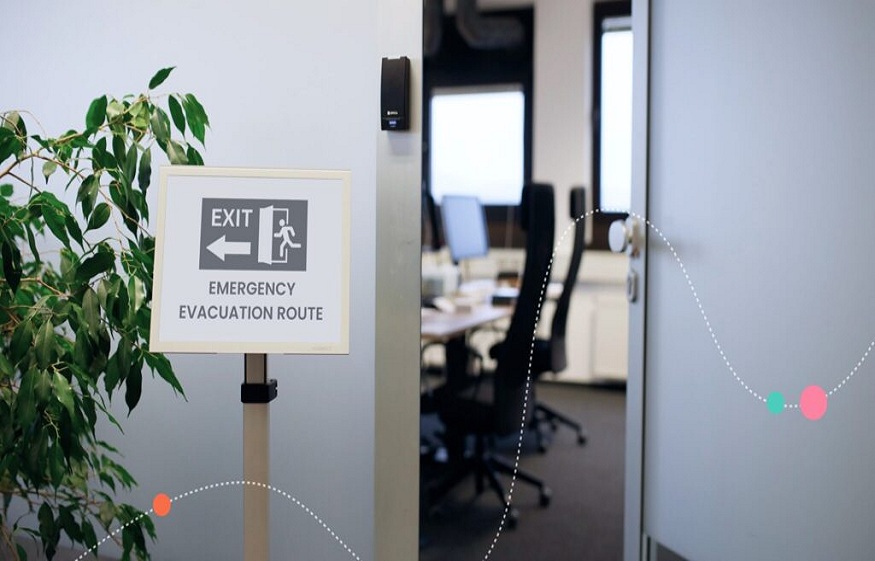
In a modern corporate space, the importance of fostering a positive environment cannot be overstated. From the gleaming glass facades of towering skyscrapers to the cosy confines of a start-up, workplaces should be more than just spaces for productivity—they should help to improve the emotional well-being and morale of employees. But how can this be achieved? Among the strategies employed to cultivate a vibrant workplace culture, internal signageemerges as a silent yet powerful tool, subtly influencing the psyche of employees and contributing significantly to their morale. In this article, we take a look into the multifaceted ways in which internal signage can improve a workplace, by fostering camaraderie, productivity, and a sense of belonging among employees.
1: Display Your Brand Values
Firstly, internal signage serves as a visual manifestation of the company’s ethos and values, reinforcing the sense of purpose and direction among employees. Bold statements emblazoned on walls proclaiming the organization’s mission and vision not only remind employees of the larger objectives they are working towards but also instil a sense of pride and ownership in their contributions. When employees see their company’s values mirrored in the physical environment, it reaffirms their alignment with the organizational goals, fostering a deeper sense of connection and commitment.
Moreover, internal signage can be utilized to showcase the company’s dedication to corporate social responsibility and sustainability initiatives. Displays highlighting environmental efforts, community partnerships, and ethical practices demonstrate the organization’s commitment to making a positive impact beyond profits. By incorporating such messaging into the workplace environment, internal signage not only informs employees but also inspires them to actively participate in the company’s broader mission to create a better world. This alignment of values promotes a culture of social consciousness and collective responsibility, enhancing employee morale and engagement.
2: Make Internal Messaging Clearer
Moreover, internal signage acts as a conduit for effective communication within the workplace, facilitating seamless dissemination of information and fostering transparency. Whether it’s directional signs guiding employees through office layouts or notice boards broadcasting company announcements and updates, well-placed signage ensures that everyone is on the same page. Clear and concise messaging eliminates confusion, minimises misunderstandings, and enhances efficiency, thereby alleviating unnecessary stress and boosting morale.
Read More: Mediterranean Backsplash Ideas for a Cozy Cooking Area
In addition, internal signage can serve as a platform for interactive communication, encouraging employee engagement and participation. Digital displays or interactive kiosks can provide dynamic content such as news updates, event calendars, or employee recognition programs, allowing employees to stay informed and involved in the company’s activities. By leveraging internal signage as a communication tool, organizations can create a more inclusive and connected workplace environment, where information flows freely and employees feel empowered to contribute to the conversation.
3. Make Your Brand Appear More Professional
Beyond mere functionality, internal signage contributes to the aesthetic appeal of the workplace, transforming sterile office spaces into vibrant hubs of creativity and inspiration. Thoughtfully designed signage incorporating colours, typography, and graphics not only stimulates the visual senses but also fosters a sense of pride in the workplace environment. Employees are more likely to feel motivated and engaged when surrounded by aesthetically pleasing surroundings, leading to enhanced morale and productivity.
Furthermore, well-designed signage can reflect and reinforce the company’s brand identity, creating a cohesive visual language that resonates with employees and visitors alike. Consistent branding across internal signage communicates professionalism and establishes a strong organizational identity, both internally and externally. Additionally, creative and visually compelling signage can serve as conversation starters, sparking dialogue and fostering connections among employees, ultimately contributing to a more collaborative and innovative work culture.
4. Celebrate Your Employees
Furthermore, internal signage can be leveraged as a platform for recognition and appreciation, celebrating individual and team achievements. From ‘Employee of the Month’ boards adorned with photos and accolades to ‘Wall of Fame’ displays honouring notable milestones, such gestures of recognition serve as potent morale boosters. By publicly acknowledging and appreciating the efforts of employees, internal signage reinforces a culture of positivity and encourages others to strive for excellence, thereby fostering a sense of camaraderie and mutual support.
These displays not only showcase accomplishments but also serve as constant reminders of the organization’s values and goals. They create a visual narrative of success, inspiring employees to align their actions with the company’s overarching mission. Additionally, internal signage can be used strategically to communicate important messages, initiatives, and updates, ensuring that employees are well-informed and engaged with the happenings within the organization. In this way, internal signage becomes an integral component of organizational culture, promoting unity and productivity among staff members.
5. Improve Your Company Culture
In addition to fostering a sense of belonging and camaraderie, internal signage plays a pivotal role in shaping the company culture and fostering a positive work environment. Inspirational quotes strategically placed in communal areas serve as daily reminders of the organisation’s values and aspirations, inspiring employees to overcome challenges and strive for greatness. Similarly, themed signage reflecting seasonal festivities or cultural events injects a sense of fun and vibrancy into the workplace, fostering a lively atmosphere conducive to creativity and innovation.
Read More: Why Houston Families Are Leaving Master-Planned “Sameness” Behind
Moreover, internal signage can be instrumental in promoting health and well-being among employees, thereby contributing to overall morale and satisfaction. Wellness-focused signage reminding employees to take regular breaks, stay hydrated, and practice mindfulness fosters a culture of self-care and prioritises employee well-being. Additionally, signage promoting diversity and inclusion sends a powerful message of acceptance and respect, creating an inclusive environment where every individual feels valued and supported.
6: Signage For Helpful Wayfinding
Internal signage can be utilised as a tool for onboarding and orientation, helping new employees acclimatise to their surroundings and feel welcomed from day one. Welcome signs, employee directories, and departmental maps provide valuable guidance and reassurance, alleviating the anxiety associated with navigating unfamiliar territory. By facilitating a smooth transition into the workplace, internal signage sets a positive tone for the employee experience, laying the groundwork for long-term engagement and loyalty.
These visual aids not only assist new hires but also serve as ongoing resources for all employees, fostering a sense of inclusivity and accessibility within the workplace. Clear and informative signage promotes efficiency and reduces friction in day-to-day operations, empowering employees to navigate the office environment with confidence and ease. Additionally, interactive elements such as touchscreen displays or digital kiosks can enhance the user experience, offering real-time updates and interactive maps for seamless navigation. In this way, internal signage becomes an integral part of the organizational infrastructure, enhancing productivity and employee satisfaction.
For wider commercial, hospitality, or public-facing projects, small supporting details can make the finished space feel more complete. Composite decking can provide a durable, low-maintenance surface for terraces, entrances, outdoor seating areas, and customer-facing spaces; while hand dryers can support cleaner, more efficient washroom facilities; while traditional signage can add character, direction, and brand presence; while digital signage can share changing information, promotions, menus, or wayfinding updates clearly.
In conclusion, internal signage serves as a silent yet potent catalyst for enhancing employee morale and fostering a positive workplace culture. From communicating the company’s values and objectives to promoting recognition and appreciation, signage plays a multifaceted role in shaping the emotional well-being and satisfaction of employees. By harnessing the power of visual communication, organisations can create environments that inspire, motivate, and empower their workforce, ultimately driving success and prosperity in the ever-evolving landscape of modern business.