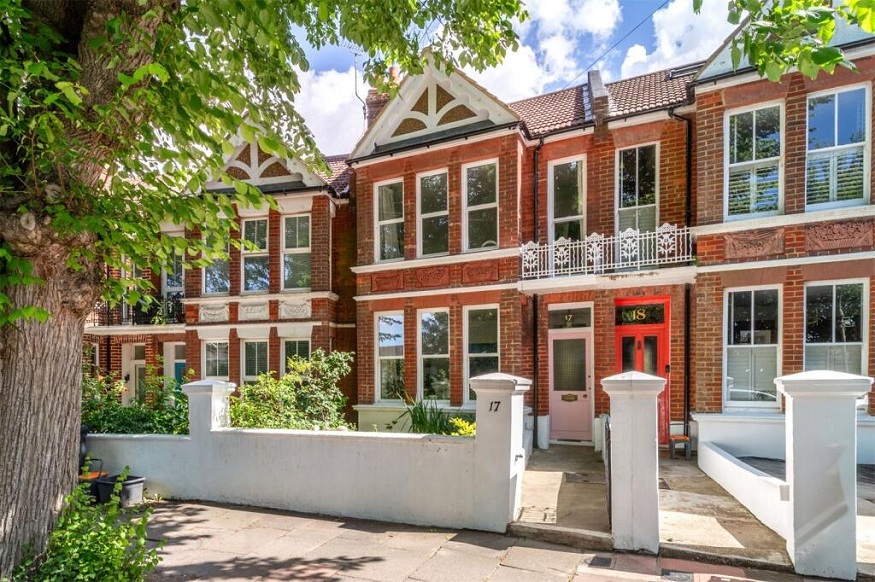

Owning a property in the Royal Borough of Kensington and Chelsea (RBKC) is often viewed as the pinnacle of UK real estate investment. Whether it is a stucco-fronted townhouse in South Kensington or a sleek contemporary apartment overlooking the river, the demand for high-end rentals in this corner of London remains remarkably resilient. However, the prestige of a SW3, SW10, or W11 postcode comes with a significant side serving of regulatory responsibility. The UK rental market has undergone a massive legislative shift over the last decade, and RBKC is often at the forefront of enforcing these standards.
Navigating this landscape can feel like a full-time job, which is why many landlords choose to partner with professional letting agents in Chelsea to ensure they don’t fall foul of the law. It is no longer enough to simply hand over the keys and collect the rent; modern landlording requires a meticulous approach to safety, administration, and tenant welfare. Failing to tick even one box on the compliance checklist can result in eye-watering fines, the inability to regain possession of your property, or even criminal prosecution.
The Foundation: Safety Certificates and Inspections
The most critical part of your compliance journey involves the physical safety of the building and its occupants. These are non-negotiable requirements that must be handled before a tenant even crosses the threshold.
Gas Safety Regulations
If your property has any gas appliances—boilers, hobs, or even decorative gas fires—you must have an annual Gas Safety Check. This must be carried out by a Gas Safe registered engineer. Once the inspection is complete, you will receive a Landlord Gas Safety Record (often called a CP12). You are legally required to provide a copy of this to your existing tenants within 28 days of the check, and to new tenants before they move in.
Electrical Safety Standards (EICR)
Since 2020, it has been mandatory for all private tenancies in England to have a valid Electrical Installation Condition Report (EICR). This involves a qualified electrician testing the fixed electrical parts of the property, such as wiring, socket-outlets, and light fittings. These reports are generally valid for five years. If the report identifies any Code 1 or Code 2 hazards, you must have the remedial work completed within 28 days, or sooner if the report specifies.
Fire Safety and Smoke Alarms
Landlords in Chelsea must ensure that at least one smoke alarm is installed on every storey of their property used as living accommodation. Additionally, a carbon monoxide alarm must be present in any room used as living accommodation which contains a fixed combustion appliance (excluding gas cookers, though it is best practice to include them anyway). You must also ensure that all furniture and furnishings supplied meet the Fire Safety Regulations 1988, evidenced by the permanent match and cigarette test labels.
Energy Performance and Environmental Standards
The UK government is increasingly using the rental sector to drive its net-zero ambitions. This means the Energy Performance Certificate (EPC) is no longer just a piece of paper for the file; it is a gatekeeper for your ability to let the property.
Minimum Energy Efficiency Standards (MEES)
Currently, a property must have an EPC rating of at least ‘E’ to be legally let. If your Chelsea flat is in a drafty period conversion with single-glazed windows, hitting this target can sometimes be a challenge. While there has been much political debate about raising this requirement to a ‘C’ rating in the coming years, the immediate focus for landlords should be ensuring their current rating is valid and that any recommended quick wins—such as LED lighting or loft insulation—are implemented.
The Damp and Mould Crisis
Following high-profile legal changes, the way landlords handle damp and mould has come under intense scrutiny. It is no longer acceptable to simply tell a tenant to open a window. Under the Homes (Fitness for Human Habitation) Act, landlords must ensure the property is free from hazards that could affect the health of the occupants. In the humid London climate, this means ensuring adequate ventilation systems are in place and responding to reports of moisture immediately.
Read More: Why Houston Families Are Leaving Master-Planned “Sameness” Behind
Licensing Requirements Specific to RBKC
This is where many landlords get caught out. Property licensing is not a one size fits all across London; every borough has its own rules.
Mandatory HMO Licensing
If you are letting a property to five or more people from more than one household (who share facilities like a kitchen or bathroom), you must have a Mandatory House in Multiple Occupation (HMO) licence. This is a national requirement.
Additional and Selective Licensing in RBKC
The Royal Borough of Kensington and Chelsea has its own specific schemes. For instance, RBKC recently introduced an Additional Licensing scheme. This covers smaller HMOs—properties with three or four tenants from more than one household. If you own a flat in Chelsea and let it to three individual friends, you likely need a licence from the council. Operating without one is a serious offence that can lead to a Rent Repayment Order (RRO), where you are forced to pay back up to 12 months of rent to the tenant.
The Tenant Onboarding Process
Once the property is safe and licensed, the administrative phase begins. The paperwork you provide at the start of a tenancy determines your legal rights later on, particularly if you ever need to serve a Section 21 notice.
Right to Rent Checks
You must verify that every adult occupant has the legal right to live in the UK. This involves checking original documents (like passports or visas) in the presence of the tenant or using the government’s digital share code system. This is a bright line rule; there is no room for error here.
Deposit Protection
If you take a security deposit, it must be protected in a government-authorised scheme (such as the DPS, MyDeposits, or TDS) within 30 days of receipt. You must also provide the tenant with Prescribed Information, which explains how their money is protected. Failing to do this doesn’t just result in a fine of up to three times the deposit amount; it also invalidates any future no-fault eviction notice.
The ‘How to Rent’ Guide
It sounds trivial, but you must provide your tenant with the latest version of the government’s How to Rent guide. If you provide an outdated version, or forget to provide it at all, you may find yourself unable to regain possession of your property through the standard legal channels.
Financial and Professional Compliance
The business of being a landlord in Chelsea also requires you to meet certain professional standards, particularly regarding how money is handled.
Client Money Protection and Redress
If you manage the property yourself, you must be aware of tax obligations (such as the Non-Resident Landlord Scheme if you live abroad). However, if you use an agent, you must ensure they are members of a Client Money Protection (CMP) scheme and a redress scheme like The Property Ombudsman. Reputable letting agents in Chelsea will always display these memberships prominently, providing you and your tenants with an essential safety net.
Read More: Mediterranean Backsplash Ideas for a Cozy Cooking Area
Anti-Money Laundering (AML)
Due to the high value of property in the Royal Borough, AML checks are incredibly stringent. Landlords and investors should expect to provide proof of identity and source of funds. While it can feel like a bureaucratic hurdle, these checks are vital for maintaining the integrity of the local property market.
Staying Ahead of the Curve
The legislative environment for UK landlords is anything but static. With the Renters’ Rights Bill currently moving through Parliament, we are likely to see the abolition of Section 21 no-fault evictions and the introduction of a new Decent Homes Standard for the private sector.
For a landlord in the Royal Borough of Kensington and Chelsea, staying compliant isn’t just about avoiding penalties; it is about protecting a high-value asset and ensuring a stable, long-term income stream. The demographic of tenants in Chelsea—often high-net-worth individuals, corporate professionals, or international students—rightly expects a premium service. Meeting your legal obligations is the absolute bare minimum required to succeed in this competitive market.
By keeping a rigorous checklist and perhaps seeking professional guidance from seasoned letting agents in Chelsea, you can navigate the complexities of RBKC property law with confidence. It allows you to focus on the rewards of property ownership while the compliance engine runs smoothly in the background. After all, in a borough as prestigious as this, your reputation as a landlord is just as valuable as the bricks and mortar themselves.